

Manifesto
Minimal intervention, maximum transformation.
A declaration of principles on design, wellbeing and enduring life. Built from 25 years of practice and from the most intimate territory.
Designed with the precision of knowing who you are.

Minimal intervention, maximum transformation.
A declaration of principles on design, wellbeing and enduring life. Built from 25 years of practice and from the most intimate territory.
Designed with the precision of knowing who you are.
THE STARTING POINT
Minimal intervention is the most intelligent creative act.
There are words so overused they have lost their body. The industry repeats them without understanding them. I do not design beautiful spaces. I design spaces that work in silence, that regulate the body, that sustain life without calling attention to themselves. These intimate texts are the territory from which all my work is born. A consciousness built through time, through observation and through life lived.
THE FIRST PRINCIPLE
Small invisible choreographies that only you know. From the first seconds before light timidly enters through the window, to the coffee you prepare without thinking while the house still sleeps in silence. This is where beauty hides: in what seems insignificant.
«It is called everyday life, and it cannot be trivialized. We are what we live at each moment. Let us give value to the simple.»
THE SECOND PRINCIPLE
Your body responds almost automatically, as if the sun held the key that activates your entire system. Cold light that pushes toward action. Warm light that gathers. Indirect light that suspends time.
«The transformation of an invasive light into a light of one's own. Because light does not only illuminate: it transforms.»
THE THIRD PRINCIPLE
The essence of a space is its deep breathing. It is the silent echo of the one who inhabits it. The harmony between outside and inside, between what has been lived and what is yet to arrive. A heartbeat that welcomes and accompanies, that holds our memories.
«The essence of a space is its deep breathing. Essence will never be a trend.»
THE FOURTH PRINCIPLE
Scent is one of the pillars of spatial design. Invisible but decisive, capable of transforming a room into a refuge or a memory. Top notes as threshold. Heart notes as embrace. Base notes as persistent memory.
«A scent is like a book, like a space, like a soul.»
THE FIFTH PRINCIPLE
Invisible elements are not explained, they are perceived. Light, silence, noble materials, atmospheres. A design that works with invisible elements in favour of your wellbeing. An aesthetic that seeks connection beyond prominence.
«Making the complex simple, making it go unnoticed, making everything feel natural, as if it had always been there. And making you feel irresistibly well.»
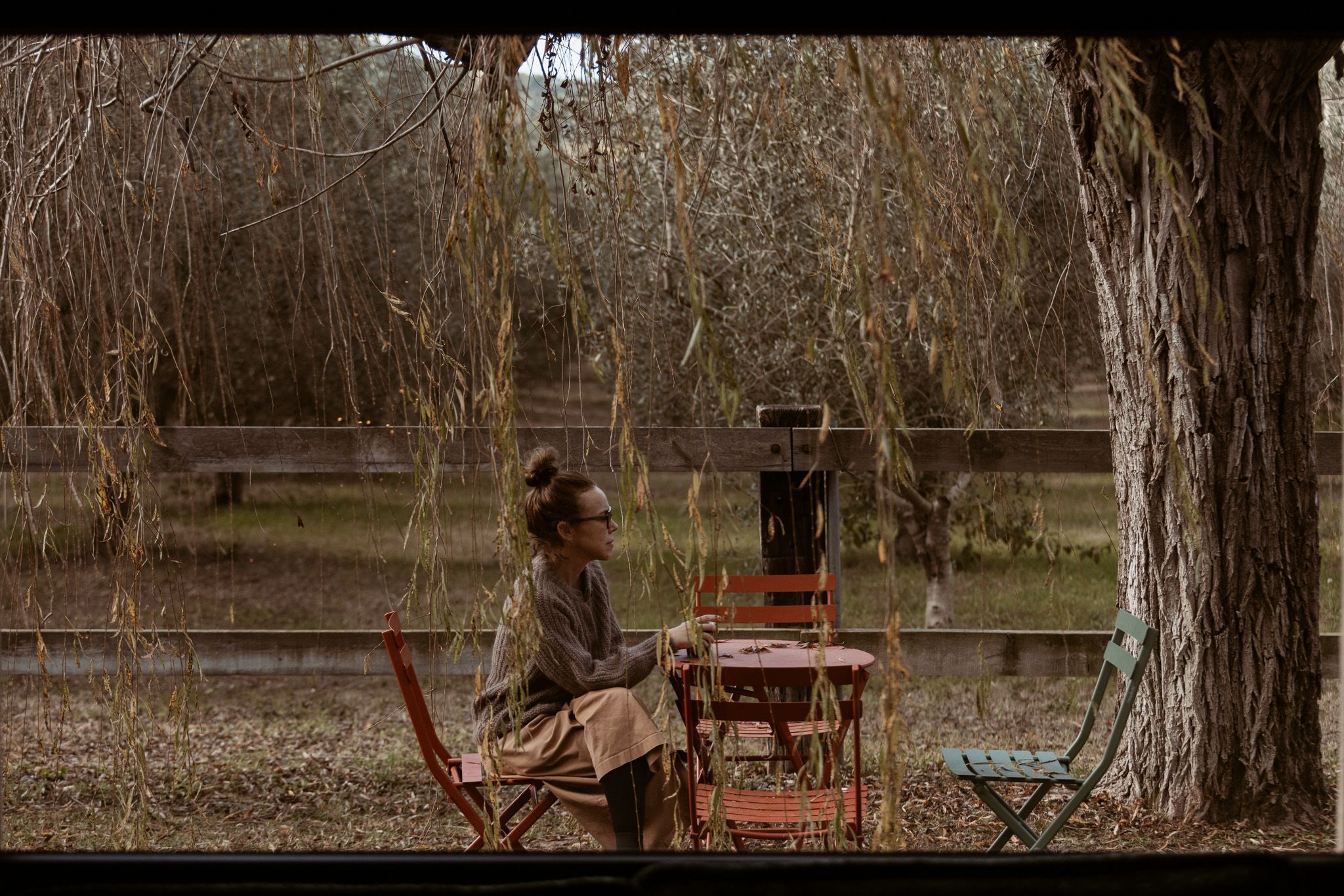
«The essence of a space is its deep breathing. It is the silent echo of the one who inhabits it. It is not only what we see, but what we feel when we are there: a heartbeat that welcomes and accompanies, that holds our memories and allows us to simply be, effortlessly, in the quiet of the everyday.»
SUSANNA COTS
THE METHODOLOGY
The Method of the Invisible Elements
Observe before touching
Every space already has its own response. The designer's first task is to listen to it, not to impose a preconceived idea. A space is observed, not filled.
Edit with courage
Removing requires more courage than adding. Every superfluous element is a cognitive interference that the body accumulates without knowing it. Editing is the most honest creative act in design.
Transcend expectation
Minimal intervention that generates maximum experience. When a space reaches its essence, it needs no explanation. It is lived, breathed, felt.
DESIGN · NEUROSCIENCE · WELLBEING
A method grounded in evidence.
In 2017 I presented the relationship between design, neuroscience and health at the National Congress of Psychiatry. Not as a theorist. As a professional who has spent 25 years building the proof. The spaces that most transform people do not draw attention to themselves. They act in silence. They regulate the circadian rhythm, reduce cortisol and activate the recovery responses of the nervous system. It is not magic. It is neuroscience.
200ms
Time it takes the brain to react emotionally to a space.
+30
Countries where the projects have been published and awarded.
25y
Of practical application of a method that unites science and wellbeing.
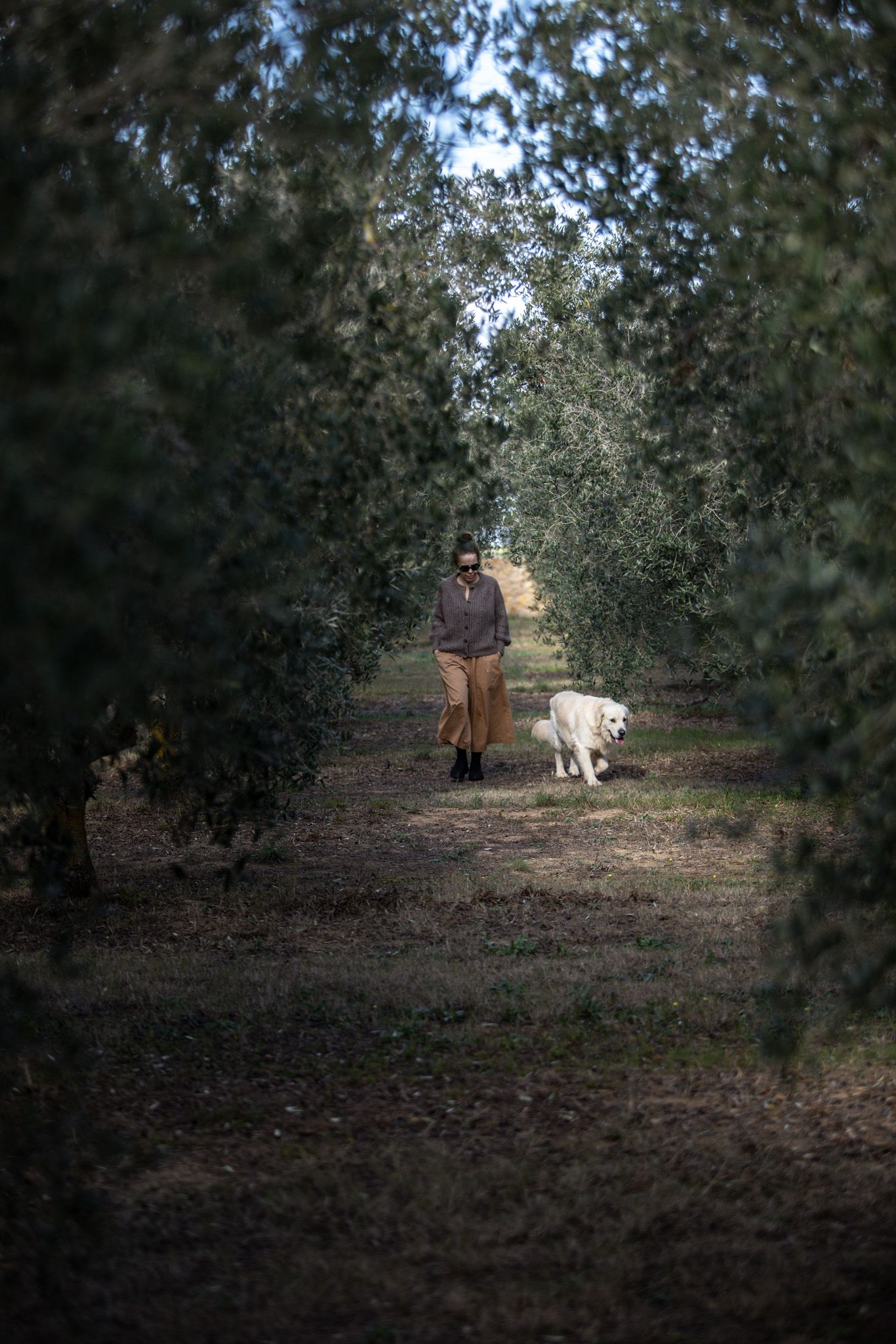
A space is not
explained.
It breathes.
SUSANNA COTS